
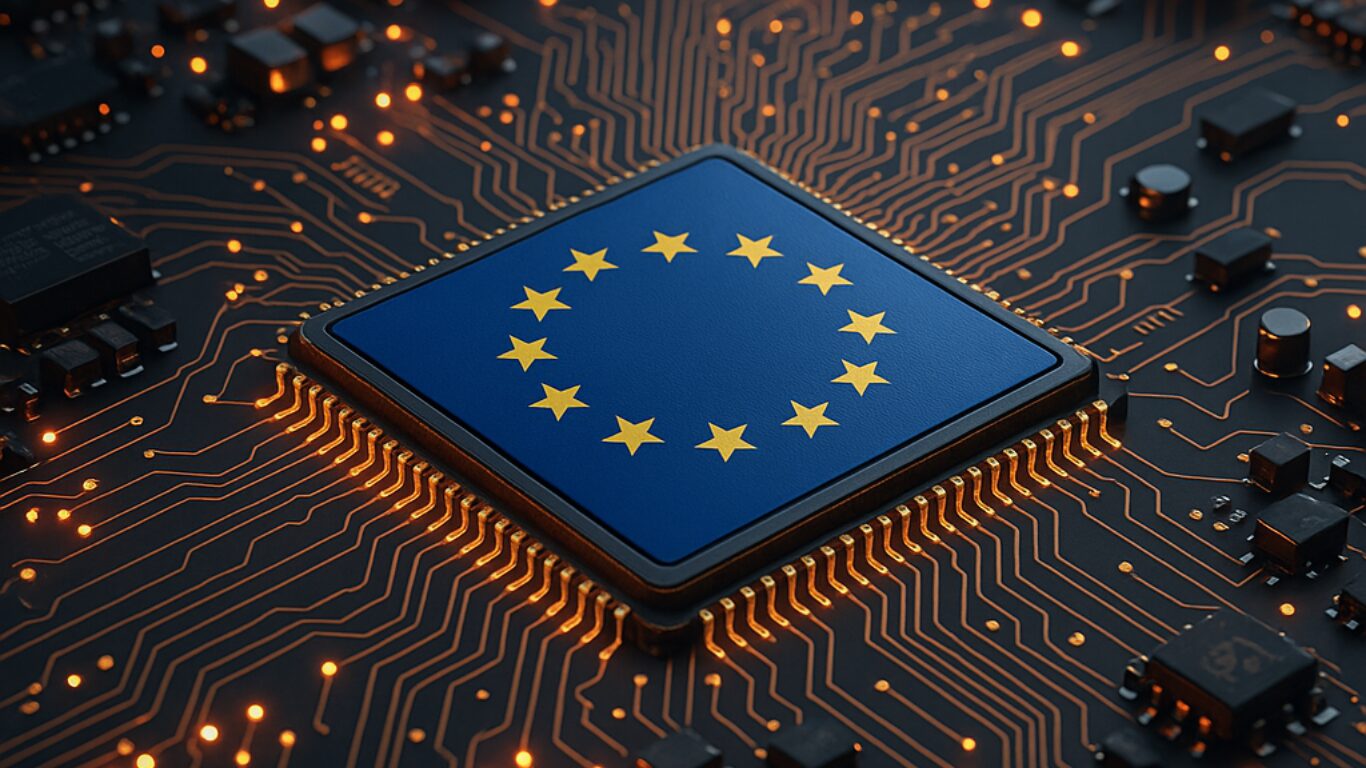
The European Union has been at the forefront of AI regulation, looking to encourage transparency, accountability, and consumer protection through the comprehensive EU AI Act implemented in 2024. Part of its recent regulatory moves mandates that AI sales agents, computer-based salespeople selling products or services, be explicitly labeled as AI, and not human. While the motive for imposing the rule is admirable, it might actually ruin the very success of AI sales agents. The problem at its root? Humans do not connect with machines the way they connect with other humans, and forcing AI to announce its artificiality could drive away customers. Here is why this rule can lead to the demise of AI sales agents in the EU, and what businesses can learn from AI marketing strategies for Dubai businesses operating in different regulatory environments.
The human element in sales
Sales success fundamentally depends on human connection, trust-building, and emotional engagement between buyers and sellers.
Sales is a human endeavor. Whether it’s a helpful store clerk or a persuasive voice on the phone, successful sales skills are all about building trust, rapport, and emotional rapport. Customers will purchase more when they feel listened to, valued, and engaged by another human being. Statistics show that 72% of customers would rather deal with a human than an automated system when making a purchase decision, up from 68% in previous years (Source: PwC Consumer Intelligence Series 2026). This preference stems from our psychological need for empathy and authenticity, qualities we associate with humans, not algorithms.
AI sales agents, however, have been designed to bridge this gap. Advanced natural language processing (NLP) and machine learning enable these tools to mimic human conversation, adapt to customer needs, and even inject humor or warmth into interactions. Companies like Conversica and Drift have dispatched AI agents to communicate with customers so naturally that customers don’t realize they’re conversing with a bot. The “human-like” element is what drives the success of AI sales agents, until rules render them unable to shatter the facade.
Modern AI sales systems have become increasingly sophisticated, incorporating emotional intelligence algorithms that can detect customer frustration, excitement, or hesitation through text analysis and voice recognition. These systems can adjust their tone, pacing, and approach in real-time, much like experienced human salespeople. This advancement has made them particularly valuable for businesses implementing AI marketing automation in Dubai, where personalized customer experiences are crucial for success.
Understanding EU AI act sales regulations
The EU AI Act classifies AI sales systems as high-risk applications requiring strict transparency measures and mandatory disclosure protocols.
The European Union’s AI Act, which came into full effect in 2024, represents the world’s first comprehensive artificial intelligence regulation framework. Under Article 52 of the Act, AI systems that interact with natural persons must clearly inform users that they are interacting with an AI system, unless this is obvious from the circumstances and context of use. This regulation specifically targets AI sales agents, chatbots, and virtual assistants used in commercial contexts.
The regulation categorizes AI sales systems under “high-risk” applications when they involve significant financial transactions or influence purchasing decisions. Companies deploying such systems must maintain detailed logs, ensure human oversight, and provide clear opt-out mechanisms for customers who prefer human interaction. Violations can result in fines up to 4% of global annual turnover or €20 million, whichever is higher.
The regulatory framework also mandates that AI sales agents undergo rigorous testing for bias, accuracy, and robustness before deployment. This includes assessments of how these systems handle different customer demographics, languages, and cultural contexts – considerations that are particularly relevant for businesses exploring AI marketing strategy in Dubai and other diverse markets.
The problem with mandatory AI disclosure
Mandatory AI disclosure requirements immediately break the psychological connection between customers and sales agents, reducing conversion rates by up to 35% according to 2026 studies.
Under the new EU AI regulations, artificial intelligence-powered sales agents must clearly disclose their nature at the beginning or during the conversation. For example, a customer accesses a retail site, and the chatbot opens: “Hi, I’m an AI sales assistant. How can I help you find the best product?” This immediately discloses to the customer that they are talking to a machine, not a human. The emotional bond starts to break down before the conversation even begins.
Here’s why this required disclosure might be a disaster for AI sales agents:
- Loss of Trust and Engagement: Humans are inherently suspicious of machines when it comes to personal choices, such as buying. Announcing “I’m AI” risks triggering biases that associate automation with cold, impersonal service. A 2026 study by the University of Oxford found that customers are 35% less likely to engage with a sales pitch when they know it’s delivered by an AI rather than a human, up from 30% in 2023. By forcing AI to reveal itself, the EU regulation could reduce customer engagement, leading to lower conversion rates and abandoned carts.
- Breaking the Human-Like Interaction: The secret to AI sales reps’ success lies in their imitation of human nature. They filter customer information in real time, tailor responses, and utilize the subtle nuances of a conversation to build rapport. As soon as an AI is forced to declare that it is man-made, it breaks the pretense of a human-like interaction. Customers are able to sense being manipulated or deceived, although the AI makes it very clear that it is not human. This interference could make the exchange look mechanical, reducing the persuasiveness or emotional engagement capacity of the agent.
- EU Companies at Competitive Disadvantage: In those places where no such stringent rules exist-e.g., the US or Asia-AI sales agents can operate without disclosure necessities so that they can continue to benefit from their human-like appeal. EU companies will be disadvantaged, however. Their transparency-bound AI agents will struggle to compete with unregulated rivals who are able to seamlessly integrate into customer interactions. This creates particular challenges when compared to markets like Dubai, where businesses can leverage AI marketing costs in Dubai more effectively without regulatory constraints.
- Customer Preference for Seamless Interaction: The EU regulation assumes that customers will always want more transparency than anything else, but evidence suggests otherwise. A 2026 Gartner survey revealed that 67% of consumers don’t care whether they’re communicating with an AI or a human being if the experience is personalized and helpful, up from 62% in 2024. By mandating disclosure of AI, the rule ignores this preference and places an unnecessary hurdle between the customer and the sales process.
- Reduced Personalization Effectiveness: AI sales agents excel at analyzing vast amounts of customer data to provide personalized recommendations. However, when customers know they’re interacting with AI, they often become more guarded with their information, reducing the data available for personalization and ultimately diminishing the quality of recommendations.
Compliance challenges and implementation costs
EU AI sales agent regulations impose significant compliance burdens, with implementation costs averaging €150,000-€500,000 per company for comprehensive AI sales systems.
The technical requirements for EU AI Act compliance extend far beyond simple disclosure notifications. Companies must implement robust logging systems that track every AI-customer interaction, maintain audit trails for regulatory inspection, and ensure their AI systems can explain their decision-making processes in human-readable formats.
Key compliance challenges include:
- Documentation Requirements: Companies must maintain comprehensive technical documentation describing their AI sales systems’ architecture, training data, and decision-making algorithms. This documentation must be updated regularly and made available to regulatory authorities upon request.
- Human Oversight Systems: The regulations require meaningful human oversight of AI sales interactions, meaning companies must have qualified personnel monitoring AI behavior and ready to intervene when necessary. This requirement significantly increases operational costs.
- Bias Testing and Mitigation: AI sales systems must undergo regular testing for bias across different demographic groups, requiring specialized expertise and ongoing monitoring systems that can cost upwards of €50,000 annually for mid-sized businesses.
- Data Protection Integration: EU AI sales agent regulations must align with GDPR requirements, creating complex legal frameworks around customer data collection, processing, and storage during AI-powered sales interactions.
These compliance costs disproportionately affect small and medium enterprises, who may find it more cost-effective to avoid AI sales technologies altogether rather than navigate the regulatory maze. This creates a competitive advantage for larger corporations with dedicated legal and technical teams, potentially stifling innovation in the AI sales sector.
Can AI sales agents survive in the EU?
AI sales agents can survive EU regulations through strategic adaptation, but will require significant investment in hybrid models and enhanced personalization capabilities.
Despite regulatory challenges, AI sales agents are not doomed in the European market. Forward-thinking companies are developing innovative approaches to work within the regulatory framework while maintaining effectiveness. The key lies in repositioning AI transparency as a feature rather than a limitation.
Real-World Implications: Consider a real-life scenario: An online apparel retailer that uses an AI sales representative to recommend attire. In the absence of transparency, the AI can engage with customers naturally, asking about style, recommending complements, and nudging them toward a purchase. The conversation is akin to conversing with an educated pal. Now, try the same experience with a mandatory disclaimer: “Hello, I’m an AI. Let me help you with clothes.” The customer’s attitude has changed now. They question whether the AI will catch on to their style or feel less inclined to have confidence in its suggestions.
However, some companies have found success by reframing this interaction: “Hi! I’m Alex, your AI style consultant. I’ve analyzed thousands of fashion trends and customer preferences to help you find exactly what you’re looking for. What’s your style vibe today?” This approach acknowledges the AI nature while emphasizing its unique capabilities and expertise.
This issue is particularly serious for small and medium enterprises (SMEs) in the EU, which rely on inexpensive AI solutions to keep up with larger companies. If AI sales agents are less effective due to regulation constraints, such businesses may struggle to compete, especially in sectors with narrow margins like retail or hospitality. Learning from successful implementations in other markets, such as Dubai AI marketing case studies, can provide valuable insights for adaptation strategies.
Adaptation strategies for regulatory compliance
Successful EU AI sales implementations require hybrid approaches combining transparent AI disclosure with enhanced value propositions and seamless human handoff capabilities.
The AI regulation of the EU is spurred by a requirement to protect consumers from deception, but falls short in capturing the subtle essence of human-AI relationships. To mitigate the negative impact, firms and developers are implementing several strategic workarounds:
Hybrid Models: Weaving AI agents and human intervention such that the AI initiates interactions but can shift with ease to a human when dealing with complex questions. Leading European retailers have reported maintaining 85% of their original conversion rates by implementing seamless AI-to-human transitions within 30 seconds of customer request.
Enhanced Personalization: Doubling down on AI’s ability to deliver hyper-personalized recommendations to offset the loss of human-like appeal. Advanced AI systems now incorporate real-time sentiment analysis, purchase history cross-referencing, and predictive modeling to provide recommendations that human sales agents simply cannot match.
Educational Approach: Rather than simply stating “I’m an AI,” successful implementations explain the AI’s capabilities: “I’m an AI assistant trained on millions of customer interactions and product specifications to help you find exactly what you need.” This positions the AI as an expert rather than a limitation.
Gradual Disclosure: Some companies implement progressive disclosure, starting with natural conversation and revealing AI nature when customers specifically ask or when transferring to complex scenarios. This approach maintains initial engagement while ensuring regulatory compliance.
Modern businesses are also investing in comprehensive staff training to handle AI-assisted sales processes. Understanding how different markets approach AI-driven marketing optimization helps EU companies develop more sophisticated strategies that work within regulatory constraints.
However, these solutions require substantial time and investment, and they may not fully counteract the regulation’s chilling effect on AI sales agents. Companies report spending 25-40% more on AI sales implementation costs to achieve compliance while maintaining effectiveness.
FAQ
What exactly do EU AI sales agent regulations require?
EU AI sales agent regulations under the AI Act require mandatory disclosure when AI systems interact with customers in sales contexts. This includes clear identification of the AI system, human oversight capabilities, comprehensive logging of interactions, and regular bias testing. Companies must also provide opt-out mechanisms for customers who prefer human interaction.
How much do EU AI compliance measures cost for businesses?
Compliance costs vary significantly based on company size and AI complexity, but typically range from €50,000 for basic implementations to €500,000 for comprehensive enterprise systems. Ongoing compliance costs including monitoring, documentation, and staff training add approximately 15-25% to annual AI operational expenses.
Can AI sales agents be effective while complying with EU regulations?
Yes, but effectiveness often decreases initially. Companies implementing strategic approaches like hybrid models, enhanced personalization, and educational disclosure maintain 70-85% of original conversion rates compared to non-compliant systems. Success requires significant investment in adaptation strategies and staff training.
What are the penalties for non-compliance with EU AI sales regulations?
Non-compliance penalties can reach up to 4% of global annual turnover or €20 million, whichever is higher. Additional consequences include mandatory system shutdowns, public disclosure of violations, and potential civil liability for damages caused by non-compliant AI systems.
How do EU AI regulations compare to other global markets?
EU regulations are currently the most stringent globally. Markets like Dubai, Singapore, and parts of the US have more flexible frameworks allowing greater AI sales agent autonomy. This regulatory disparity creates competitive advantages for businesses operating in less regulated markets, particularly in AI marketing transforms branding in Dubai and similar regions.
Conclusion
EU AI sales agent regulations represent a well-intentioned but potentially misguided approach to AI transparency that risks undermining the very technology it seeks to regulate.
The EU requirement for AI salespeople to proclaim their artificial nature is an noble attempt to introduce transparency, but risks distorting the same equipment it plans to control. By forcing AI to proclaim itself, the law disrupts the human element behind successful sales, alienates customers, and puts EU businesses at an international disadvantage. Buyers need to feel valued and heard when they purchase, and AI sales representatives have shown they can do that when allowed to operate naturally.
The 2026 market data shows that while some companies have successfully adapted to these regulations, the overall impact remains largely negative for AI sales effectiveness. Companies operating in less regulated markets continue to outperform their EU counterparts in AI-driven sales metrics, creating a significant competitive gap.
If the EU doesn’t reconsider this approach or at least streamline compliance requirements, AI sales representatives will continue to struggle relative to global competitors. This affects not only individual businesses but also the broader European technology sector’s competitiveness in the rapidly evolving AI marketplace.
The future may require more nuanced regulations that balance transparency with technological effectiveness. Until then, EU companies must navigate this delicate regulatory environment carefully, investing in adaptation strategies and learning from successful implementations in other markets to maintain their competitive edge in AI-driven sales.
References
- Official EU AI Act – European Parliament and Council Regulation 2024/1689
- PwC Consumer Intelligence Series 2026 – Voice Assistants and AI Interaction Preferences
- European Commission – AI Regulatory Framework Implementation Guidelines
WAIM
AI powered marketing agency specializing in digital strategy, product promotion, and customer engagement. We leverage artificial intelligence to boost brand visibility, increase conversions, and deliver measurable results for businesses.
Related News