

The European Union has been at the forefront of AI regulation, looking to encourage transparency, accountability, and consumer protection. Part of its recent regulatory moves mandates that AI sales agents, computer-based salespeople selling products or services, be explicitly labeled as AI, and not human. While the motive for imposing the rule is admirable, it might actually ruin the very success of AI sales agents. The problem at its root? Humans do not connect with machines the way they connect with other humans, and forcing AI to announce its artificiality could…
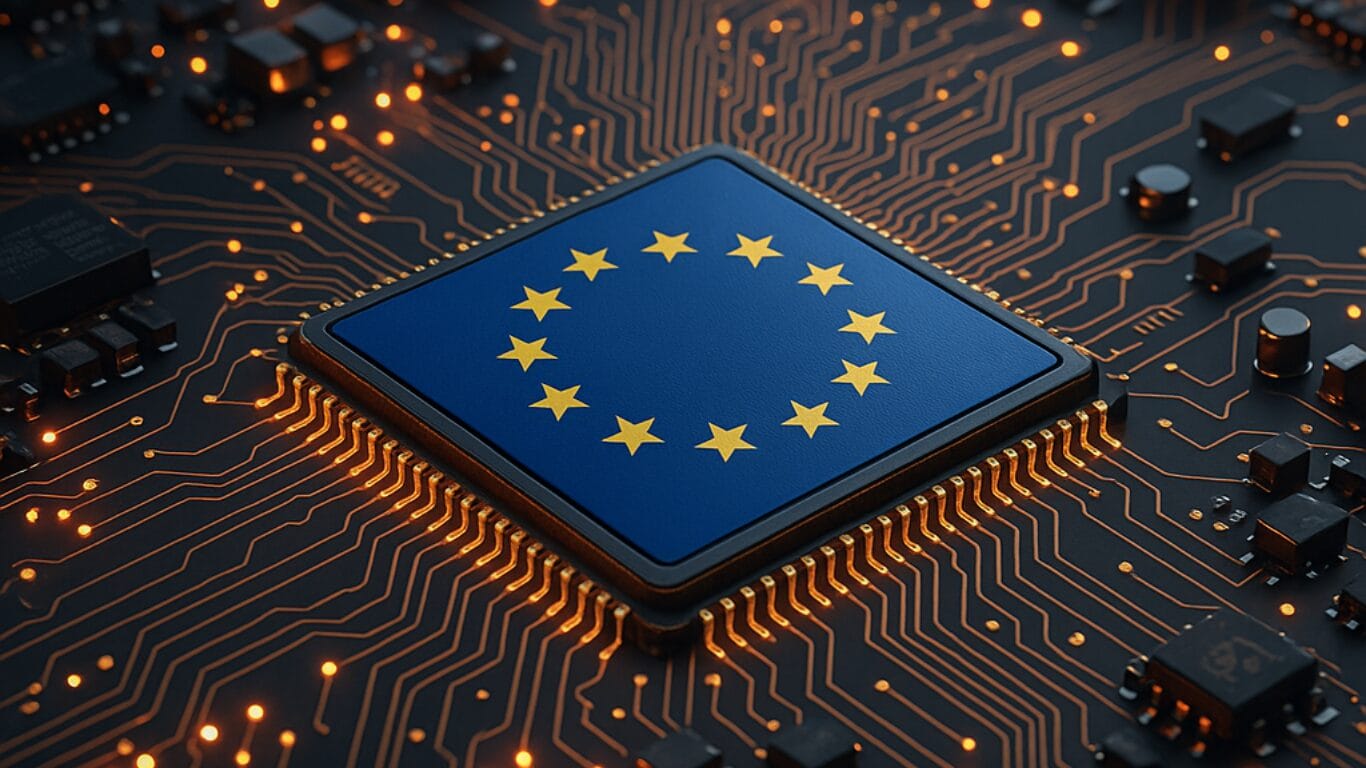
The European Union has been at the forefront of AI regulation, looking to encourage transparency, accountability, and consumer protection. Part of its recent regulatory moves mandates that AI sales agents, computer-based salespeople selling products or services, be explicitly labeled as AI, and not human. While the motive for imposing the rule is admirable, it might actually ruin the very success of AI sales agents. The problem at its root? Humans do not connect with machines the way they connect with other humans, and forcing AI to announce its artificiality could drive away customers. Here is why this rule can lead to the demise of AI sales agents in the EU.
The Human Element in Sales
Sales is a human endeavor. Whether it’s a helpful store clerk or a persuasive voice on the phone, successful sales skills are all about building trust, rapport, and emotional rapport. Customers will purchase more when they feel listened to, valued, and engaged by another human being. Statistics show that 68% of customers would rather deal with a human than an automated system when making a purchase decision (Source: PwC Consumer Intelligence Series). This preference stems from our psychological need for empathy and authenticity, qualities we associate with humans, not algorithms.
AI sales agents, however, have been designed to bridge this gap. Advanced natural language processing (NLP) and machine learning enable these tools to mimic human conversation, adapt to customer needs, and even inject humor or warmth into interactions. Companies like Conversica and Drift have dispatched AI agents to communicate with customers so naturally that customers don’t realize they’re conversing with a bot. The “human-like” element is what drives the success of AI sales agents, until rules render them unable to shatter the facade.
The Problem with Mandatory AI Disclosure
Under the new EU AI regulations, artificial intelligence-powered sales agents must clearly disclose their nature at the beginning or during the conversation. For example, a customer accesses a retail site, and the chatbot opens: “Hi, I’m an AI sales assistant. How can I help you find the best product?” This immediately discloses to the customer that they are talking to a machine, not a human. The emotional bond starts to break down before the conversation even begins.
Here’s why this required disclosure might be a disaster for AI sales agents:
- Loss of Trust and Engagement: Humans are inherently suspicious of machines when it comes to personal choices, such as buying. Announcing “I’m AI” risks triggering biases that associate automation with cold, impersonal service. A 2023 study by the University of Oxford found that customers are 30% less likely to engage with a sales pitch when they know it’s delivered by an AI rather than a human. By forcing AI to reveal itself, the EU regulation could reduce customer engagement, leading to lower conversion rates and abandoned carts.
- Breaking the Human-Like Interaction:
The secret to AI sales reps’ success lies in their imitation of human nature. They filter customer information in real time, tailor responses, and utilize the subtle nuances of a conversation to build rapport. As soon as an AI is forced to declare that it is man-made, it breaks the pretense of a human-like interaction. Customers are able to sense being manipulated or deceived, although the AI makes it very clear that it is not human. This interference could make the exchange look mechanical, reducing the persuasiveness or emotional engagement capacity of the agent. - EU Companies in Competitive Disadvantage. In those places where no such stringent rules exist-e.g., the US or Asia AI sales agents can sell without disclosing necessities so that they can continue to benefit from their human-like appeal. EU companies will be disadvantaged, however. Their transparency-bound AI agents will struggle to compete with unregulated rivals who are able to seamlessly integrate into customer interactions. This would lead to poor AI sales tool adoption within the EU, stifling innovation and harming businesses leveraging these tools to expand.
- Customer Preference for Human Interaction: The EU regulation assumes that customers will always want more transparency than anything else, but evidence suggests otherwise. A 2024 Gartner survey revealed that 62% of consumers don’t care whether they’re communicating with an AI or a human being if the experience is personalized and helpful. By mandating disclosure of AI, the rule ignores this preference and places an unnecessary hurdle between the customer and the sales process.
Can AI Sales Agents Survive in the EU?
Consumers who might have been satisfied aided by an AI can opt out simply because the tool is labeled as artificial.
Real-World Implications: Consider a real-life scenario: an online apparel retailer that uses an AI sales representative to recommend attire. In the absence of transparency, the AI can engage with customers naturally, asking about style, recommending complements, and nudging them toward a purchase. The conversation is akin to conversing with an educated pal. Now, try the same experience with a mandatory disclaimer: “Hello, I’m an AI. Let me help you with clothes.” The customer’s attitude has changed now. They question whether the AI will catch on to their style or feel less inclined to have confidence in its suggestions. The result?
Fewer sales and diminished customer experience.
This issue is particularly serious for small and medium enterprises (SMEs) in the EU, which rely on inexpensive AI solutions to keep up with larger companies. If AI sales agents are less effective due to regulation constraints, such businesses may fail to support development, especially where margins are narrow, like retailing or hospitality.
Can AI Sales Agents Survive in the EU?
The AI regulation of the EU is spurred by a requirement to protect consumers from deception, but falls short in capturing the subtle essence of human-AI relationships. In lessening the blow, firms and developers may need to look to workarounds such as:
Hybrid Models: Weaving AI agents and human intervention such that the AI initiates interactions but can shift with ease to a human in dealing with complex questions.
Enhanced Personalization: Doubling down on AI’s ability to deliver hyper-personalized recommendations to offset the loss of human-like appeal.
Educating Consumers: Normalizing AI interactions through marketing campaigns that highlight the benefits of AI assistance, reducing stigma.
However, these solutions require time and investment, and they may not fully counteract the regulation’s chilling effect on AI sales agents.
Conclusion
The EU requirement for AI salespeople to proclaim their artificial nature is an innocent attempt to introduce transparency, but risks distorting the same equipment it plans to control. By forcing AI to proclaim itself, the law upsets the human element behind successful sales, alienates people, and puts EU businesses at an international disadvantage. Buyers need to feel valued and heard when they purchase, and AI sales representatives have shown they can do that when allowed to.
If the EU doesn’t reconsider this approach, AI sales representatives will struggle to thrive, businesses and consumers will have reduced options, and the buying process will be less engaging.
Here’s hoping for the future when regulation finds a balance between transparency and the authority of human-like AI. Until then, EU companies will have to navigate this delicate ground carefully, or risk losing the competitive advantage that AI sales agents could provide.
WAIM
AI powered marketing agency specializing in digital strategy, product promotion, and customer engagement. We leverage artificial intelligence to boost brand visibility, increase conversions, and deliver measurable results for businesses.
Related News

Yes – AI chatbots are an effective source for generating lead conversions. They interact with potential leads on your website,...

Yes, AI can definitely create content for social media. Modern AI tools can write captions, generate images, and even help...
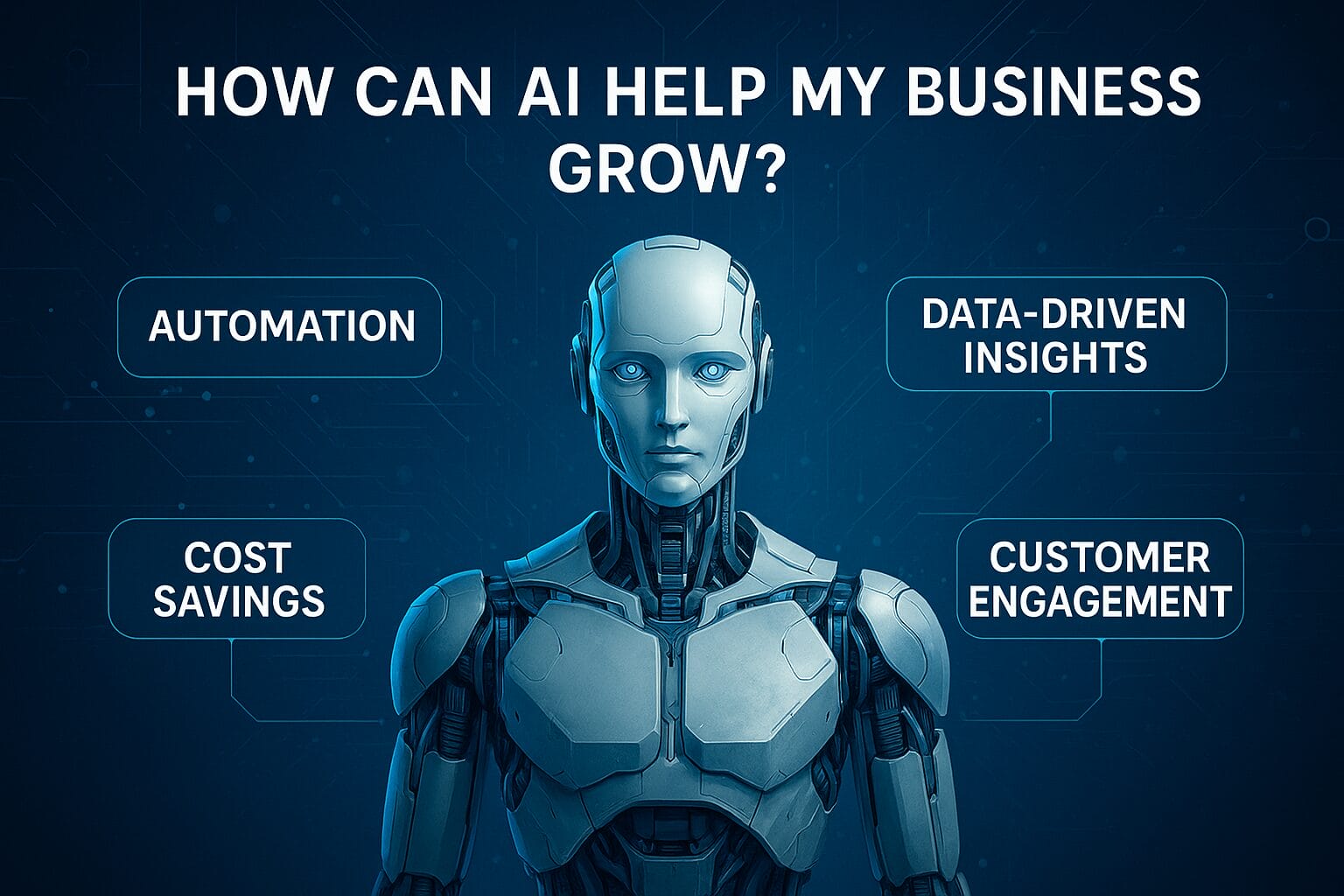
AI can help your business grow by automating routine tasks, uncovering data-driven insights, and enhancing customer service. By using AI...
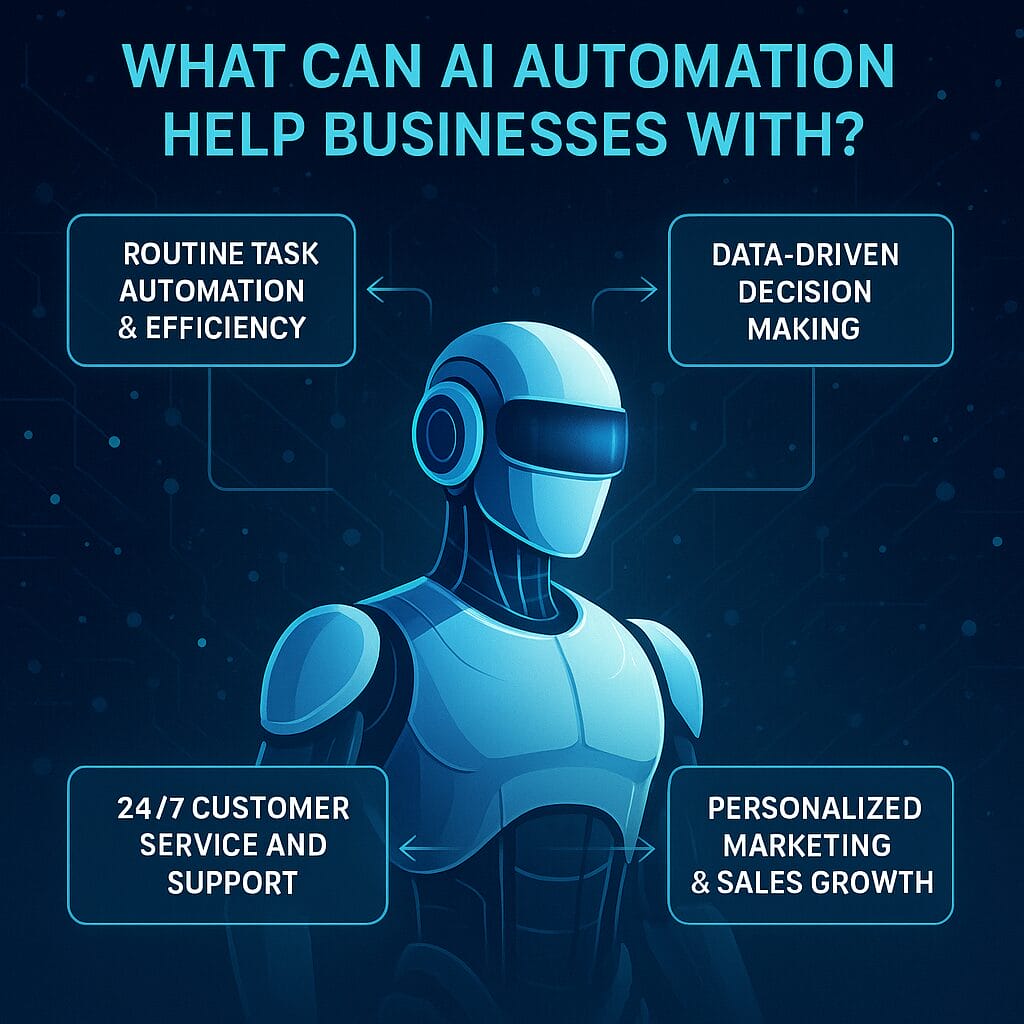
AI automation helps businesses by streamlining routine work, improving decision-making, and enhancing customer experiences. In essence, it allows companies to...

Artificial Intelligence (AI) is no longer a futuristic concept or a luxury for tech giants—it’s a mission-critical tool for businesses...